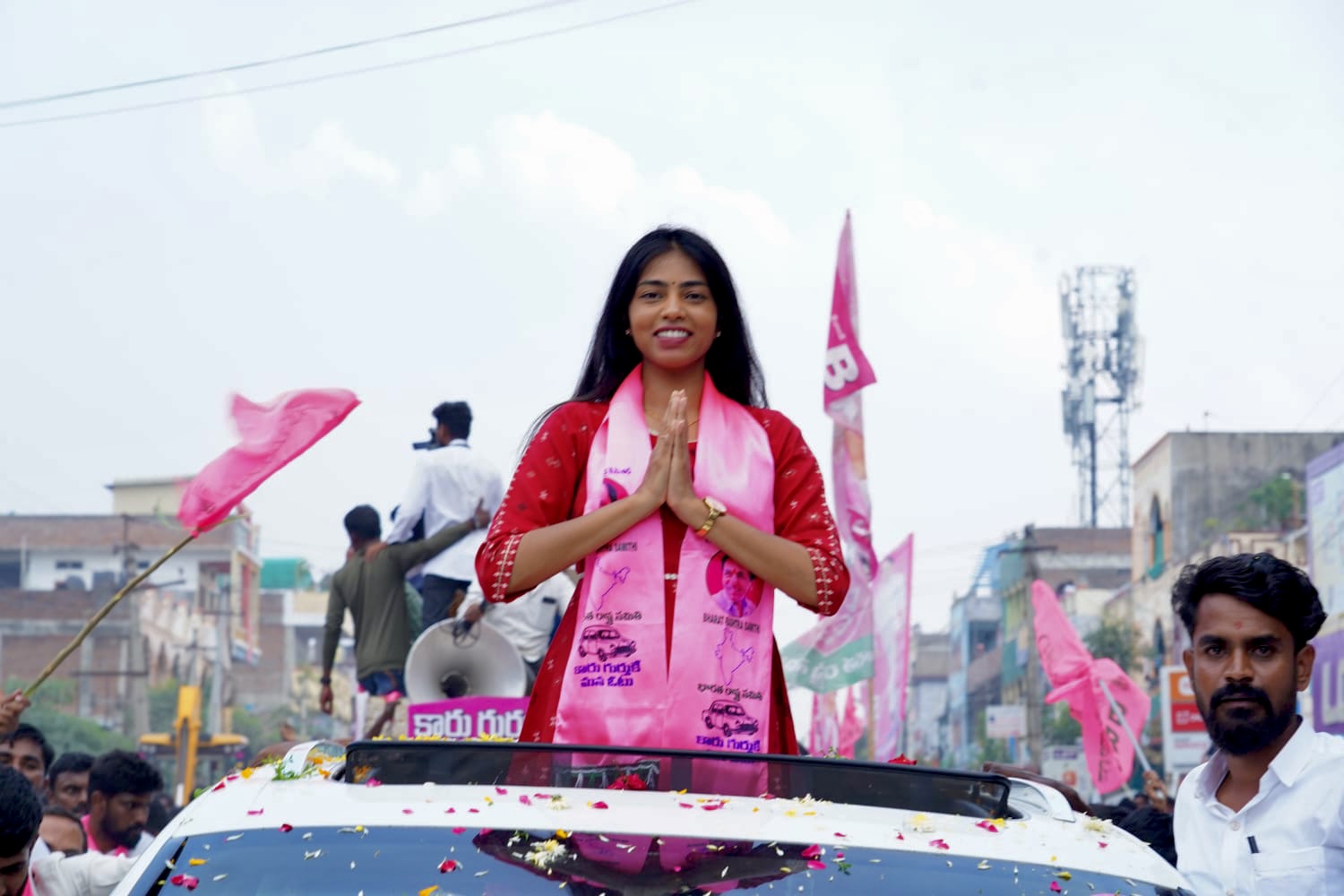
Political Life
Service Was Never a Choice. It Was the Household I Grew Up In.
A record of civic engagement, public accountability, student advocacy, women's participation, and political organizing across Telangana.
A record of civic engagement, public accountability, student advocacy, women's participation, and political organizing across Telangana.
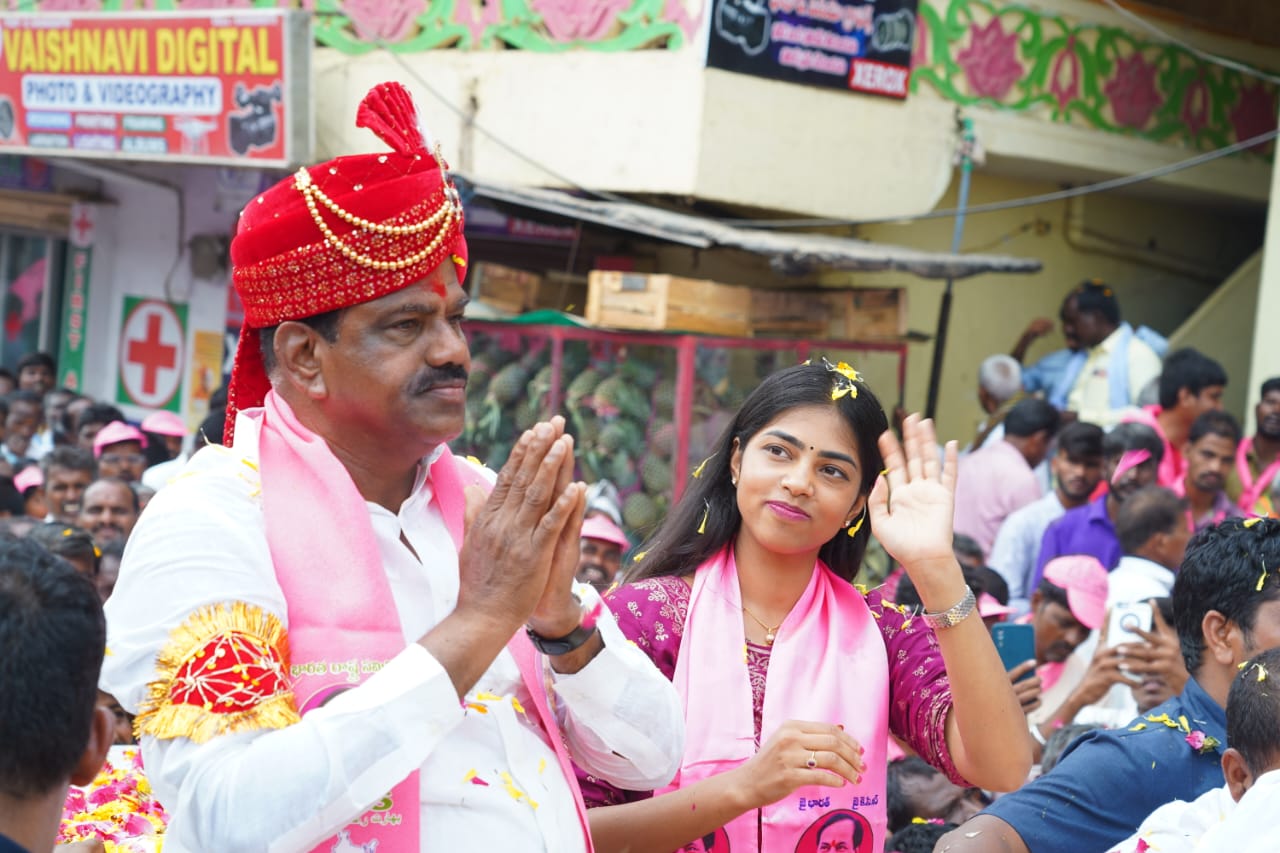
Growing up, the most important conversations in our home were never about personal ambition. They were about people — constituents, communities, problems that needed solving. Hundreds would come to our home. And the household's response, without fail, was to feed them, hear them, help them.
My father's priority was public service before it was family. My grandfather's was too. As a child, I sometimes resented that. I wanted a personal life. I wondered what the point was.
But as I grew older, I began to understand what living for service actually looks like from the inside. My father and my grandfather carried it not as a burden but as a calling. That understanding — slow, subconscious, and then suddenly clear — is what eventually brought me into public life myself.
After the 2023 Telangana Assembly elections, I returned to the United States — not to settle, but to think. Away from the noise, away from the grief of the campaign, I needed clarity.
What settled it was a gap I could not stop seeing: the distance between the age of the average Indian voter and the age of the people representing them in assembly houses. Young Indians are the majority of this country. They are barely a presence in its legislatures.
I thought: why can't that change? Why can't it be someone like me — trained, committed, willing to do the work?
By June 2024, I had made my decision. By August 2024, I had moved back to India. I have not looked back.
"Why can't it be someone like me — trained, committed, willing to do the work — who helps close that gap?"
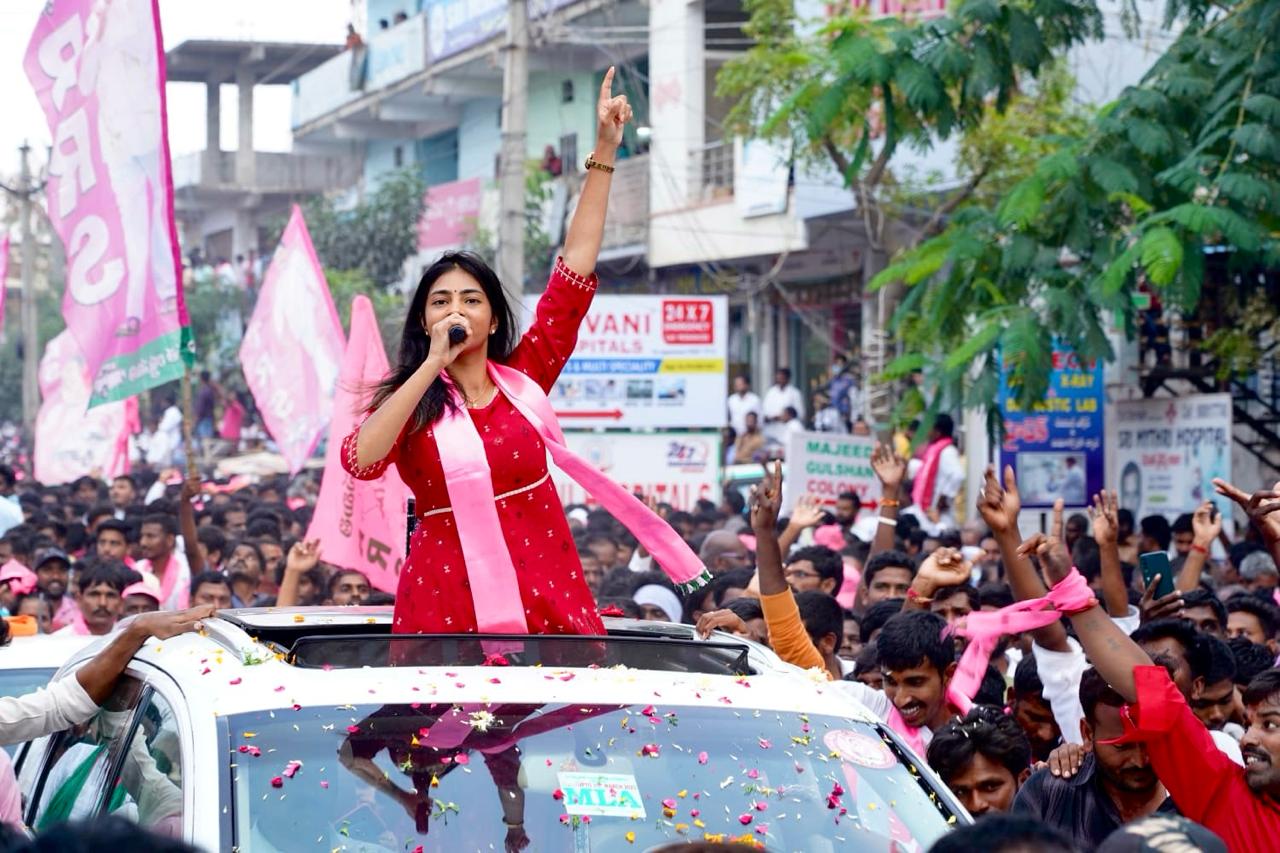
Since returning to India, I have worked across multiple domains of public life — student rights, women's awareness, constituency advocacy, public health, and political organizing. (Click any item to expand.)
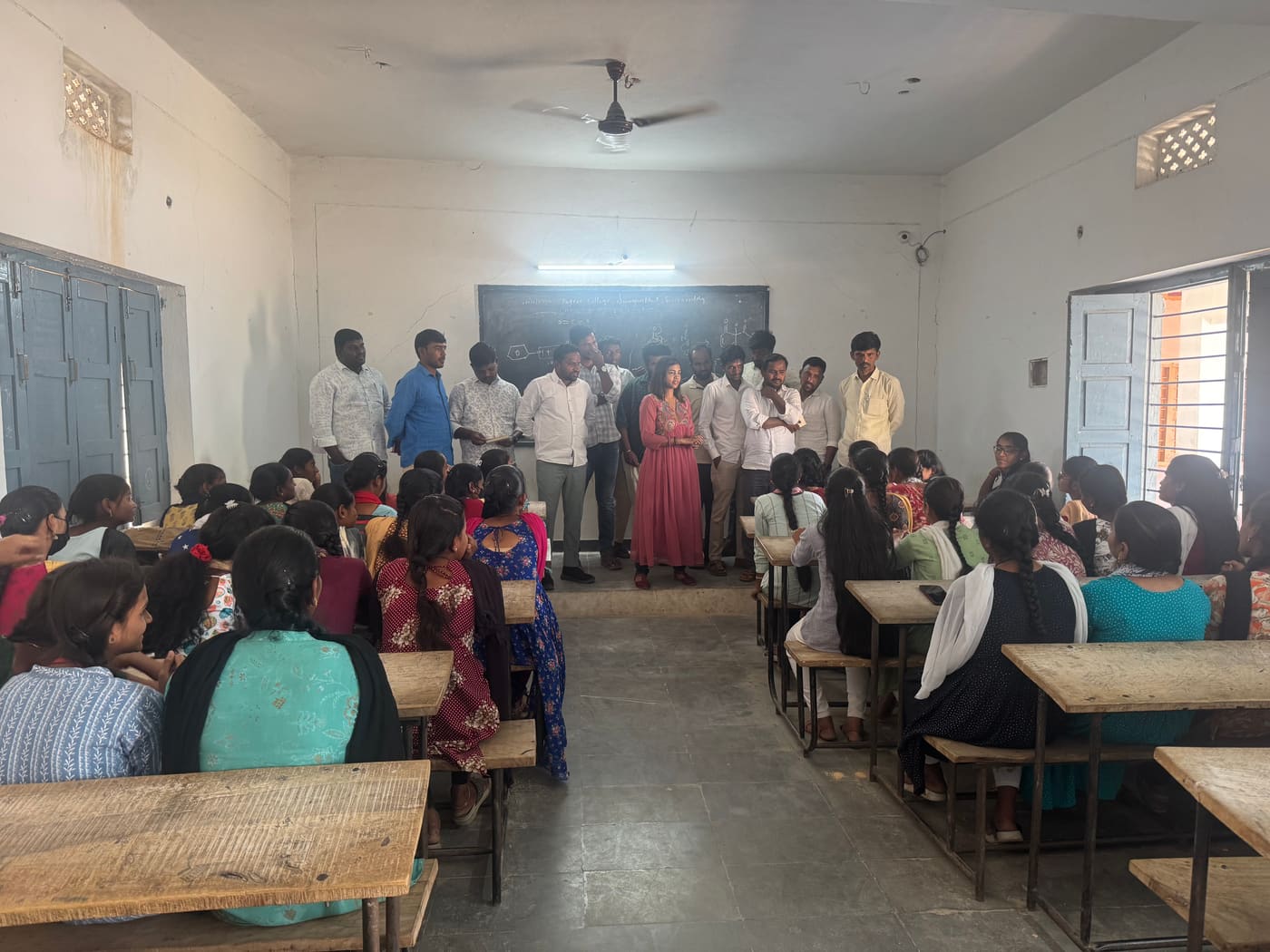
What I found in many of these institutions — particularly government colleges and hostels in rural areas — was a quiet crisis that had been normalized into invisibility.
Students on fee reimbursement schemes were not receiving their entitlements. Colleges in rural areas were at risk of collapsing because families could not afford tuition without government support, and the government had stalled on its commitments. Promised schemes — including the Vidyabharosa Card — had not been implemented.
I worked to educate students on what they were owed: their rights, the government's unfulfilled promises, and their power to demand accountability.
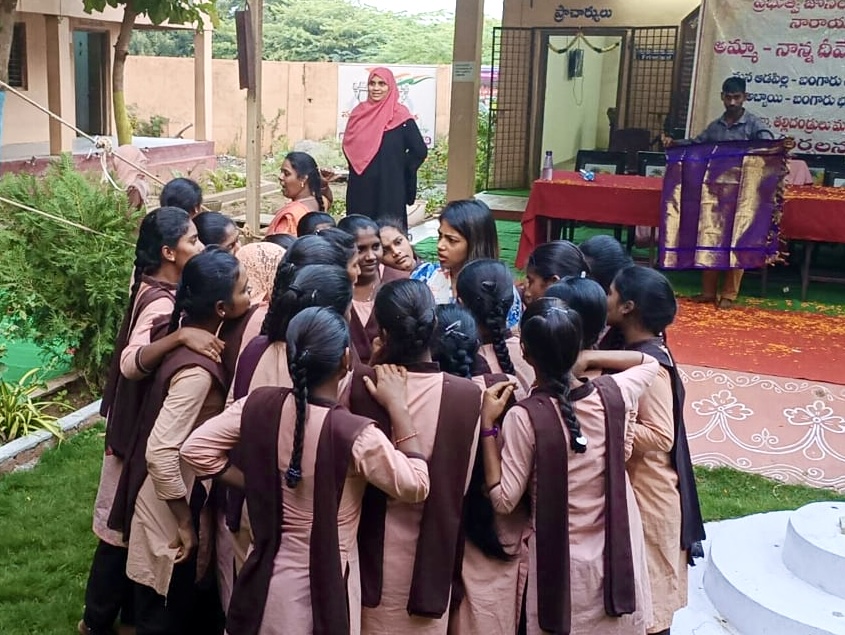
In one hostel after another, I found the same picture: cobwebs in corners that no one had cleared, barely functioning power sockets, food that birds would enter and contaminate. Minimum dignity was absent.
What struck me most was not the conditions. It was the silence around them. The system had made them complicit in their own neglect.
My first task was not to document and demand better. It was to say clearly: this is not normal. You have the right to fight back. If you face any repercussions, we will stand with you.
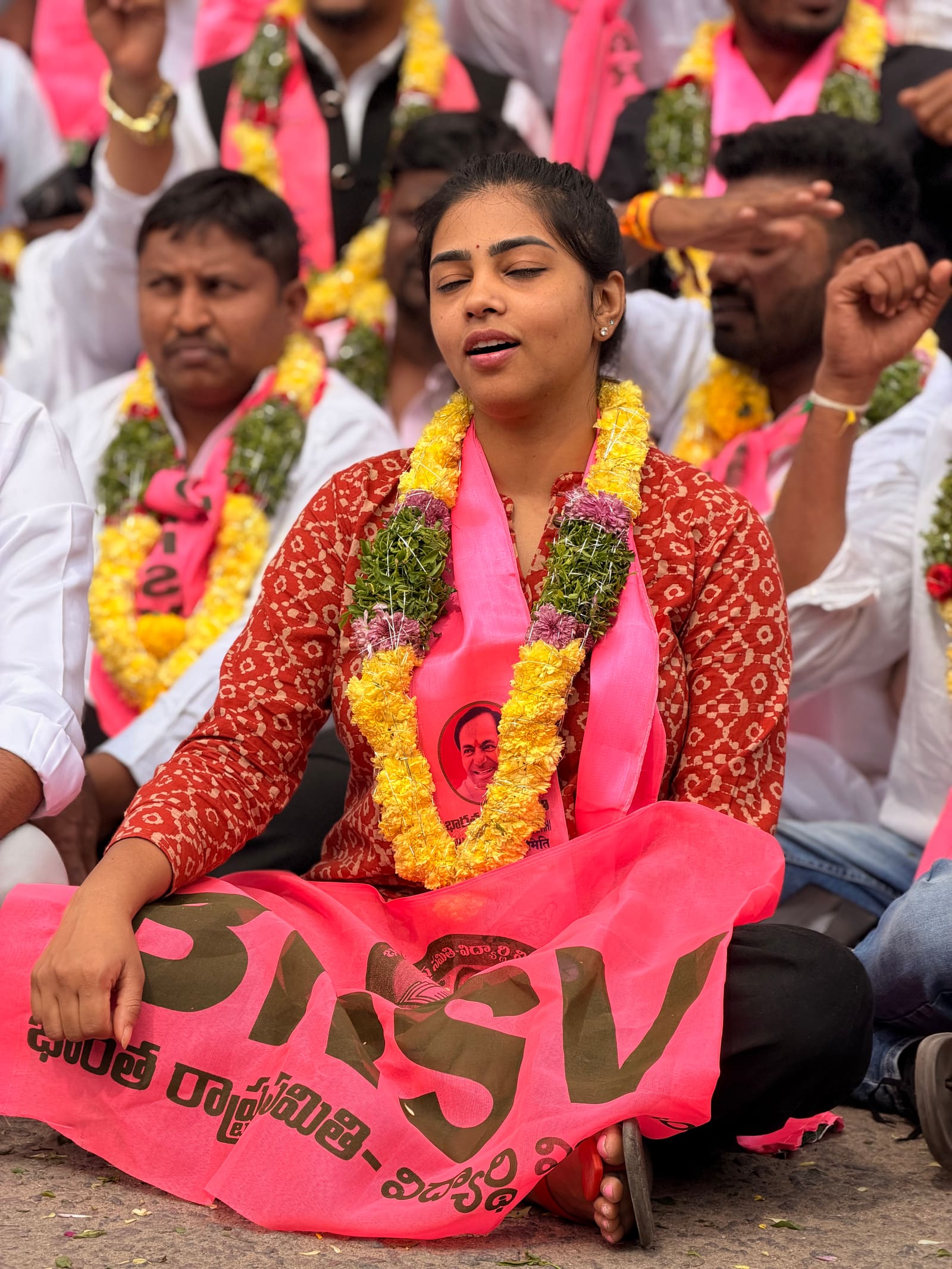
Across the constituency, I worked with women on a question that goes beyond any single scheme or policy: do they see themselves as participants in public life?
In many communities, the answer was no — not from lack of intelligence or capacity, but from lack of exposure, encouragement, and the simple belief that political life was something they were allowed to enter.
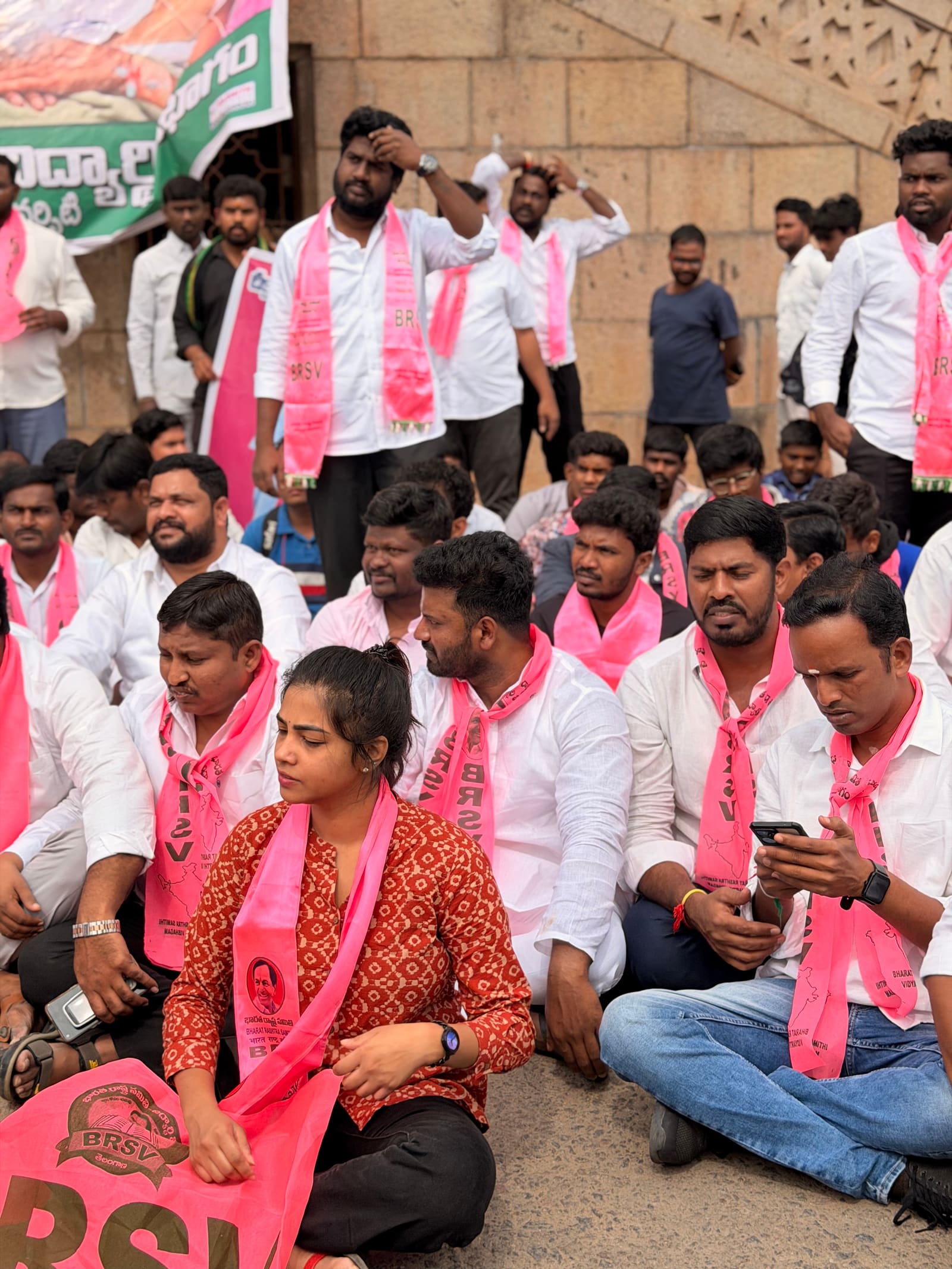
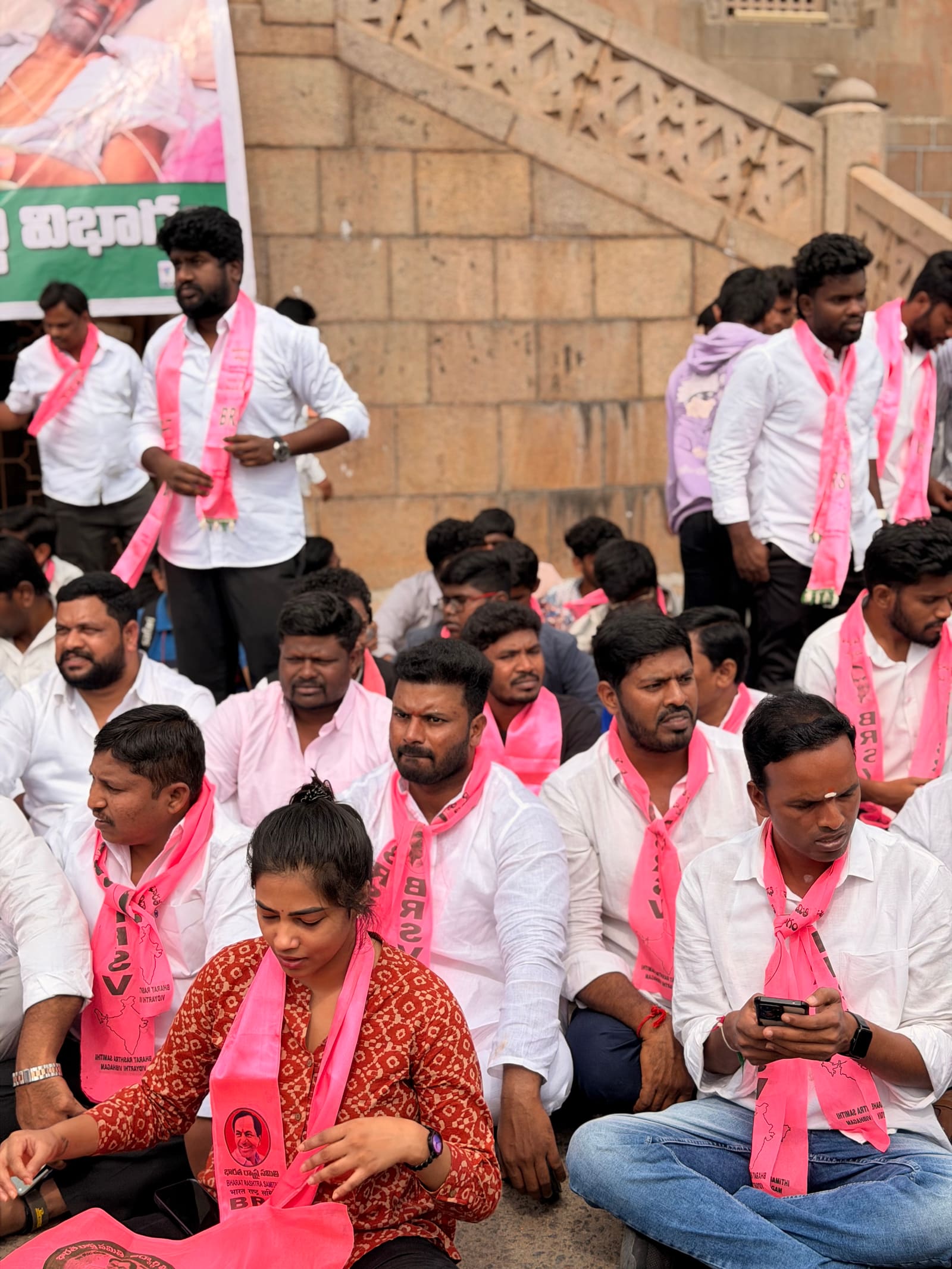
Civic accountability is not only about presence — it is about pressure. When the government failed to deliver on its commitments to students, I organized and participated in protests and dharnas demanding action on fee reimbursement.
These were not symbolic gestures. They were organized public demands — because public pressure requires a public record.
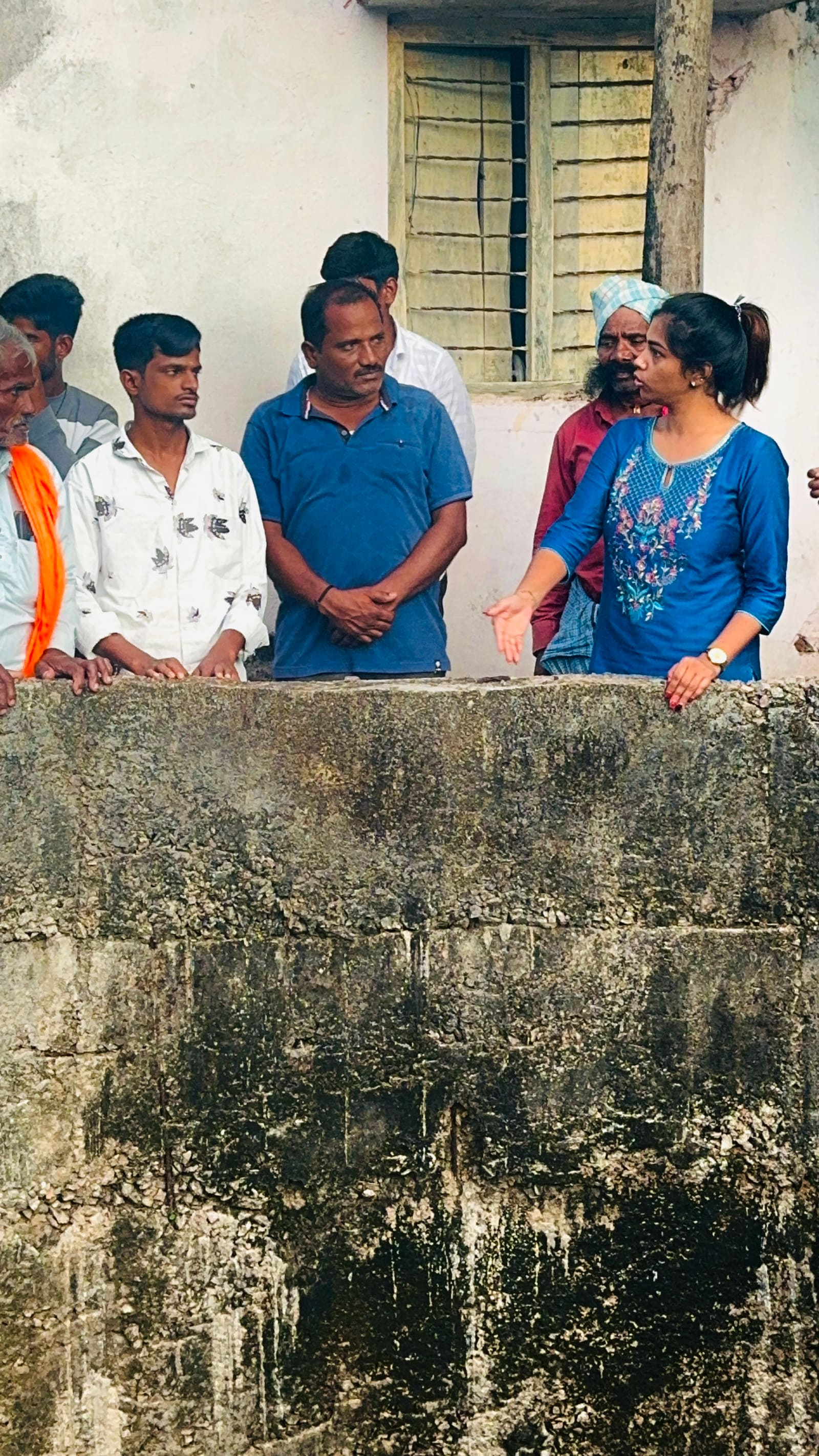
Public life that stays in cities is not public service. I made regular visits to villages across the constituency to understand conditions on the ground and respond to what I found.
In Sanjeevraopet, people had died from contaminated water. I visited the site, documented the situation, and raised it publicly. The government subsequently declared compensation for the deceased families.
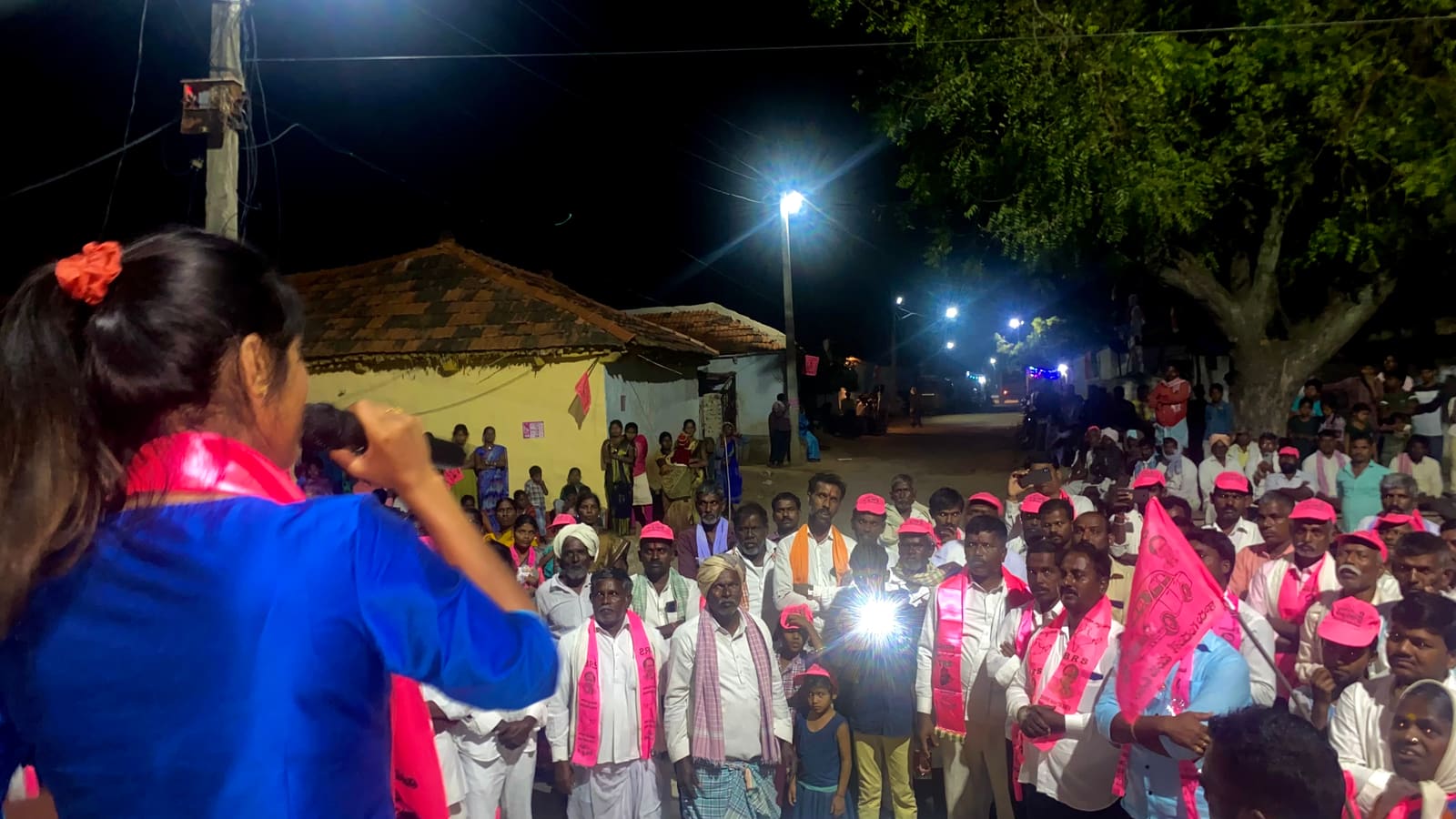
I have participated in two major electoral campaigns: the 2023 Telangana Assembly elections and the 2024 Lok Sabha elections.
My roles have spanned campaign strategy, youth mobilization, social media organization, booth-level poll management, door-to-door outreach, village meetings, and volunteer coordination.
It taught me more about how democracy actually functions than any policy document could.
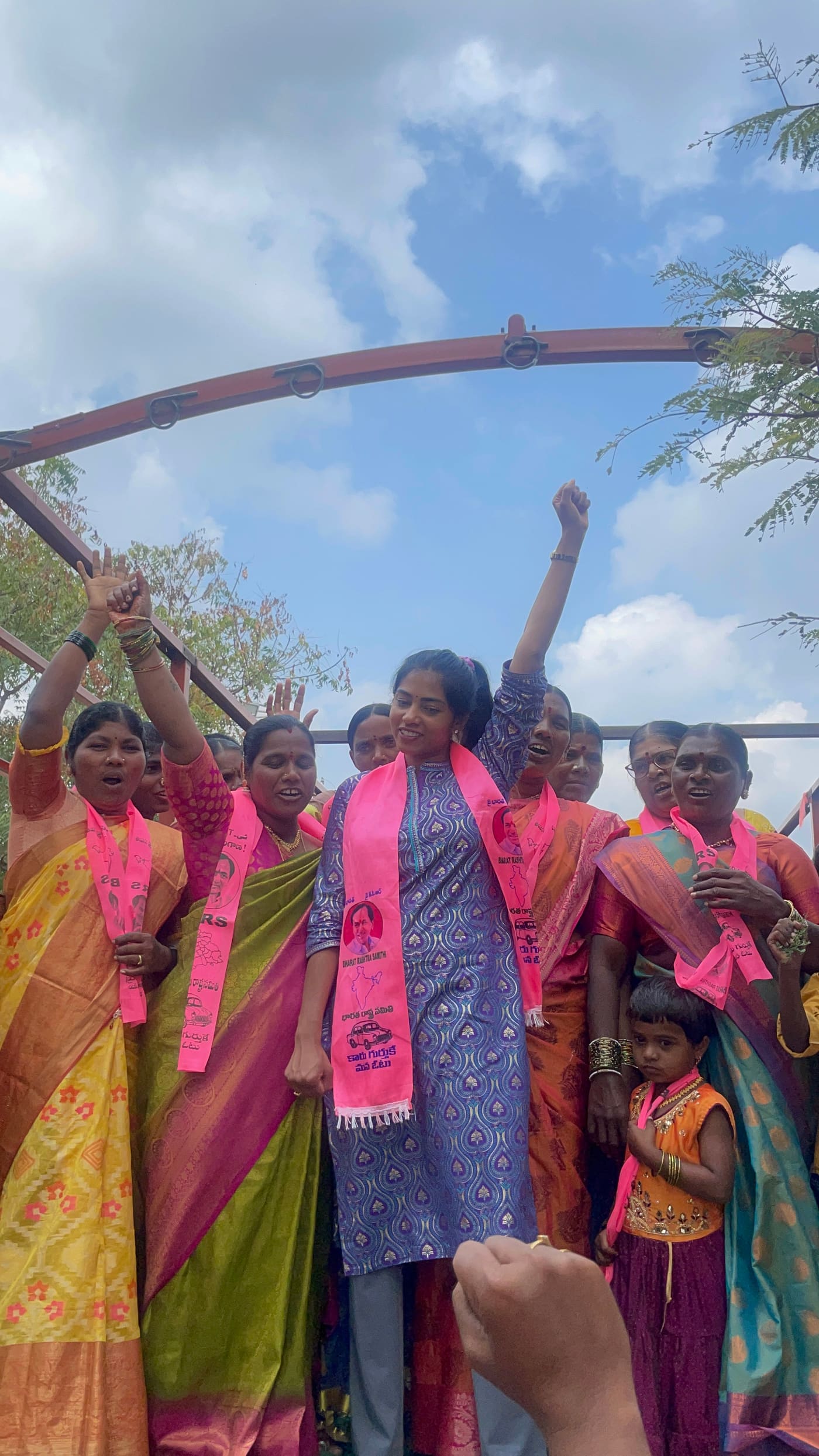
Standing with the women of the constituency — voices raised, not waiting to be invited in.
Conditions a public leader has to see for themselves — not summarized in a briefing.
A record of the journey — not isolated achievements, but a progression. Each step led to the next.
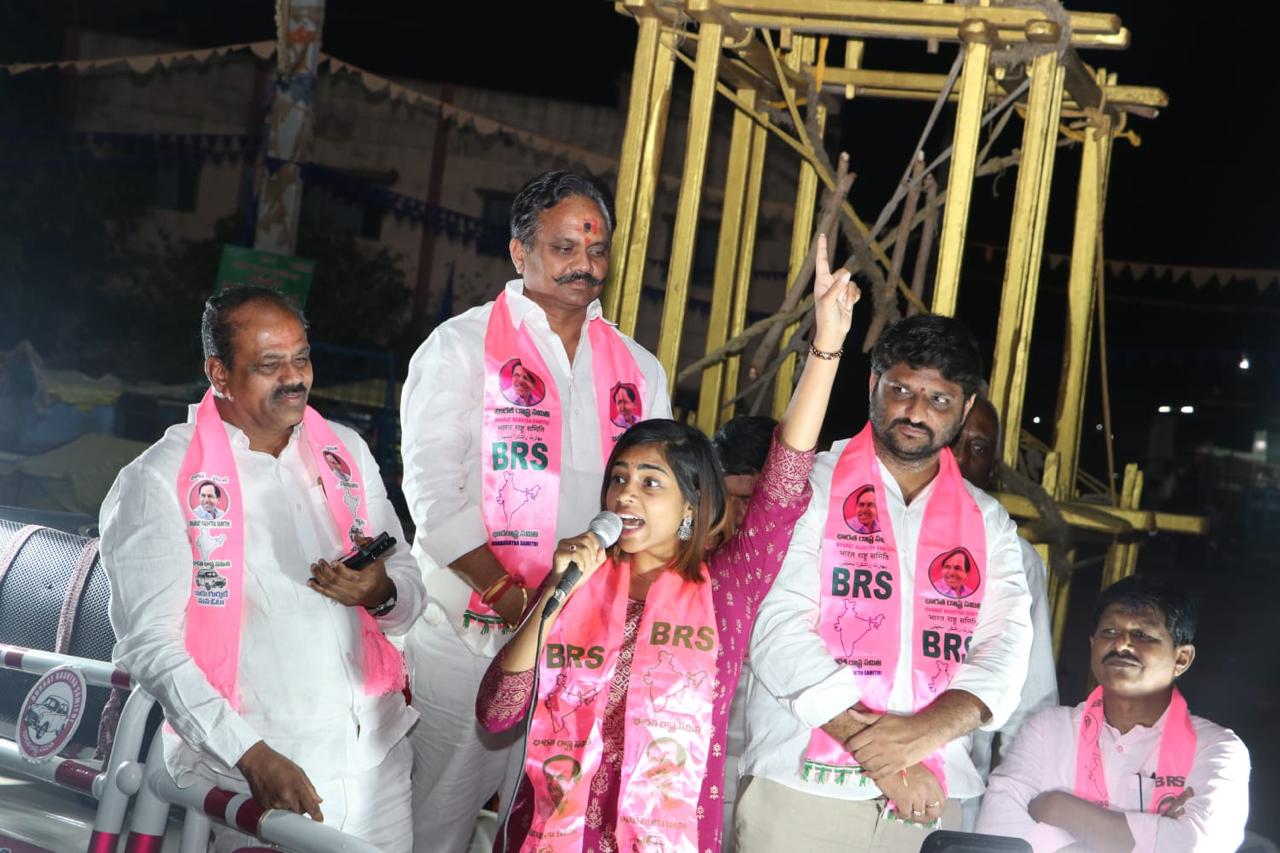
Telangana General Assembly elections. Campaign strategy, youth mobilization, village organizing, poll management.
Returned to the United States to think — away from the noise — about what comes next.
Made the commitment to return to India and pursue public life in Telangana. Chose meaning over ease.
Participated in the 2024 General Elections. Expanded constituency organizing and campaign work.
Moved back permanently. Began full-time civic engagement across colleges, villages, and constituency programs.
50+ college visits. Protests on fee reimbursement. Water contamination crisis response in Sanjeevraopet. Hospital visits. Women's awareness programs.
Appointed General Secretary of BRSV, the student wing of BRS in Telangana.
Led campaigns on student rights and civic education. Addressed thousands of students across Telangana.
Public speaking, policy advocacy, and institution-building across education, youth leadership, and civic engagement.
These are not talking points. They are the throughline connecting everything I have done and everything I am building.
Education is the condition for solving every other issue. Fee reimbursement, institutional accountability, and student dignity are not welfare questions — they are democratic ones.
India's population is young. Its leadership is not. I am committed to creating pathways for young people to lead now, not eventually.
More women in public life is not a diversity metric. It is a requirement for representative democracy. The work starts before elections — in awareness and belief.
A hospital that cannot serve its patients and a village without clean water are failures of accountability. Public leaders must see conditions for themselves.
A democracy in which citizens do not understand their rights or their power is a democracy in name only. Civic education is infrastructure.
Promises made to citizens in manifestos and policy are debts. Holding governments to those promises is the job of every engaged public leader.
Politics taught me that policy is ultimately about people.
Every statistic has a face. Every budget line is someone's school, someone's hospital, someone's chance. I learned this not in a policy brief but in a hostel room in rural Telangana, standing in front of a young woman who had never once considered that she deserved a clean room, reliable water, and food that birds had not touched.
I learned it again in a village where people had died from contaminated water, and no one in power had yet felt the need to respond.
The most political thing I ever did was not a campaign rally or a press statement. It was telling a girl who had learned to stay quiet: you are allowed to ask for more than this.
I came into public life carrying the assumption that politics was about systems and strategies. I stay in it because I keep meeting people who remind me it is about something simpler and far more important — the quiet insistence that every person deserves to be treated as one.
Service is not a sacrifice. It is a privilege — if you do it right.
If you are interested in collaborating on civic education, youth leadership, or public engagement initiatives —
Collaborate →